
Treatment Guide
Fraxel DUAL® Laser Resurfacing
Fraxel DUAL is one of the most extensively studied laser resurfacing technologies available, combining two complementary wavelengths in a single treatment to genuinely improve skin quality — texture, tone, pigmentation and the visible signs of sun damage — with far less downtime than older, fully ablative lasers. At Eva Clinic, Fraxel DUAL is offered as a standalone treatment or combined with other advanced technologies for even more complete results.
How Fraxel DUAL Works: Two Wavelengths, One Treatment
Fraxel DUAL combines two laser wavelengths — 1550nm and 1927nm — in a single device, each doing a different job:
- The 1550nm wavelength penetrates more deeply into the dermis, creating thousands of microscopic columns of controlled thermal injury. This triggers the skin’s natural wound-healing response, stimulating new collagen and elastin production over the following weeks — improving firmness, softening fine lines, and remodelling scar tissue.
- The 1927nm (thulium) wavelength works more superficially, targeting the epidermis specifically. It’s particularly effective for pigmentation, sun spots, and overall skin tone, working on the layer where visible brown pigment sits.
Because only a fraction of the skin is treated in each pass — leaving the surrounding tissue untouched — the body’s natural healing accelerates recovery considerably compared with a fully resurfaced area, while still delivering meaningful, measurable improvement.
How Many Treatments? Understanding the Differences
Not every Fraxel DUAL session is the same — the treatment is genuinely tunable, and understanding the differences helps set the right expectations:
Treatment intensity (settings): Fraxel DUAL can be delivered at different energy and density settings depending on your skin concern and how much downtime you’re able to accommodate: – Lighter settings — minimal downtime (redness for around 24–48 hours, similar to mild sunburn), suited to gentle skin quality maintenance and early-stage concerns. – Moderate settings — the most common approach for genuinely addressing texture, pigmentation and fine lines, typically with 3–5 days of visible pinkness and light peeling. – More aggressive settings — used for more significant sun damage, scarring or texture concerns, with correspondingly more downtime (up to a week), though still considerably less than a fully ablative CO2 laser.
Number of sessions: Most treatment plans involve a course of 3 to 5 sessions, spaced around 4 weeks apart. This spacing matters — it allows the skin’s collagen remodelling process to properly complete between sessions rather than compounding on unhealed tissue. Some improvement in brightness and texture is often visible after a single session, but the fuller, more complete result builds progressively over the full course, continuing to improve for several months after your last session as collagen continues to mature.
Fraxel DUAL vs more aggressive options (e.g. CO2 laser): Fraxel DUAL sits in a considered middle ground — more effective than light, surface-only treatments like IPL, but with meaningfully less downtime and risk than fully ablative CO2 resurfacing. It’s often the right choice for clients wanting genuine, measurable improvement without a week or more of visible recovery.
Benefits of Fraxel DUAL
- Improves overall skin texture, tone and radiance
- Reduces the appearance of pigmentation, sun spots and uneven tone
- Softens fine lines and early signs of ageing
- Improves the appearance of acne scarring, including some boxcar and rolling scar types
- Stimulates genuine, longer-term collagen production — not just a temporary surface effect
- Suitable across a broader range of skin tones than many resurfacing lasers, when settings are properly calibrated
- Significantly less downtime than fully ablative resurfacing, while still delivering real, measurable change
How to Prepare for Your Fraxel DUAL Treatment
- Avoid sun exposure and tanning for at least 2–4 weeks before treatment — sun-exposed or tanned skin is harder and less safe to treat, and increases the risk of pigmentation changes afterwards.
- Stop retinoids/retinol and exfoliating actives (AHA/BHA, strong vitamin A products) for around 5–7 days before treatment, as advised at consultation, since these can increase skin sensitivity.
- Let us know about cold sores or a history of them — antiviral medication may be recommended beforehand if you’re prone to outbreaks, since laser treatment can occasionally trigger a flare-up.
- Come to your appointment with clean skin, free of makeup, and avoid other facial treatments (chemical peels, other laser treatments) in the days immediately prior.
- Discuss all medications and skin conditions at consultation, including anything photosensitising, so your treatment plan and settings can be tailored safely to you.
Aftercare: Getting the Best Results
- Sun protection is non-negotiable — daily SPF 50, reapplied regularly, and sun avoidance where possible, for at least 4 weeks after treatment and ideally as an ongoing habit. This is the single biggest factor in both comfort and final results.
- Keep skin gently hydrated — use a simple, fragrance-free moisturiser as recommended, avoiding active ingredients (retinoids, acids, vitamin C) until your skin has fully settled, typically 5–7 days.
- Expect redness, warmth and mild swelling for the first 24–72 hours, followed by fine peeling or “bronzing” of pigmented areas over the following days — this is a normal, expected part of the skin renewal process, not a complication.
- Avoid picking or scrubbing any flaking or peeling skin — let it shed naturally to reduce the risk of pigmentation changes or scarring.
- Avoid saunas, hot yoga, swimming pools and strenuous exercise for a few days post-treatment, until any redness and sensitivity has settled.
- Makeup can usually be reintroduced once the skin barrier has recovered, typically after 24–48 hours, depending on your specific treatment intensity — we’ll advise exactly when at your appointment.
- Be patient — visible improvement continues for months after your last session, as collagen remodelling is a gradual biological process, not an instant change.
Combining Fraxel DUAL for Even Better Results
Fraxel DUAL is frequently combined with other advanced treatments at Eva Clinic as part of a course, for more complete results than any single technology alone:
- Fraxel DUAL + Glacial® fx Cryomodulation™ — following active resurfacing, Glacial fx’s precision cooling technology calms inflammation and redness, supporting a smoother, more comfortable recovery, particularly for clients with more reactive or sensitive skin.
- Fraxel DUAL + Fotona Er:YAG resurfacing — combining Fraxel’s dual-wavelength approach with additional Er:YAG resurfacing can enhance overall texture and tone improvement, addressing both pigmentation and surface texture concerns within the same treatment course.
- Fraxel DUAL + Fotona 4D — for clients wanting comprehensive facial rejuvenation, Fraxel DUAL’s resurfacing effect pairs naturally with Fotona 4D’s lifting and firming protocol, addressing skin quality and structural laxity together as part of one combined plan.
Which combination (if any) is right for you depends on your specific skin concerns, and will be discussed and tailored at your consultation — not every client needs every treatment, and your plan is built around what your skin actually needs.
Treatment Details
Most treatment plans involve 3 to 5 sessions spaced around 4 weeks apart, though this varies depending on your specific skin concern and the settings used — we’ll give you a personalised plan at consultation.
Most clients describe a warming or prickling sensation during treatment; topical numbing cream is used to keep the experience comfortable.
This depends on the settings used – lighter treatments involve 24–48 hours of mild redness, while more intensive sessions may involve 4–6 days of visible pinkness and light peeling.
Fraxel DUAL can help improve the appearance of melasma, though melasma is a particularly stubborn, hormonally-influenced condition that requires cautious settings and realistic expectations — this is discussed honestly at consultation, since aggressive treatment can occasionally worsen melasma if not carefully managed.
Yes – it’s often combined with Glacial fx Cryomodulation, additional Fotona Er:YAG resurfacing, or Fotona 4D as part of a broader treatment plan, depending on your goals.
Noticeable improvement in brightness and texture is often visible after your first session, with fuller results developing progressively over your full treatment course and continuing to improve for several months afterwards as collagen remodels.
Beyond cosmetic improvement, fractional laser resurfacing has been the subject of genuine dermatological research into its effects on sun-damaged, precancerous skin changes known as “field cancerization” — though it’s important to be clear about what this research does and doesn’t show. A 2026 study using the 1927nm thulium wavelength (included in Fraxel DUAL) found a significant reduction in the number of actinic keratoses (early, sun-damage-related skin changes) and measurable improvement in skin architecture after a course of treatment. However, the same study found that molecular markers associated with cancer risk remained largely unchanged despite the visible and structural improvement — meaning the treatment improved how the skin looked and behaved, without necessarily reducing the underlying cellular risk factors. Separate research has explored fractional laser as a way to enhance the effectiveness of photodynamic therapy (a medical treatment using a light-activated drug) for actinic keratosis, with several studies showing improved clearance when the two are combined. Fraxel DUAL at Eva Clinic is offered for cosmetic skin quality improvement — texture, tone, pigmentation and the visible signs of photodamage — and should never be understood or marketed as a cancer prevention or treatment method. Anyone with a suspicious or changing skin lesion should always be assessed by a GP or dermatologist, regardless of any cosmetic laser treatment history.
Sources: – Clinical and Histopathological Assessment of the Field of Cancerization in Human Skin Before and After Treatment With a 1927-nm Thulium Fractional Laser (PMC, 2026): https://pmc.ncbi.nlm.nih.gov/articles/PMC13074125/ – Laser Treatment Improves Actinic Keratosis, but ‘Molecular Scar’ May Persist — coverage of the above study’s findings on persistent cancer-risk markers: https://plasticsurgerypractice.com/treatment-solutions/innovations/research/laser-treatment-improves-actinic-keratosis-molecular-scar-persist/ – Ablative Fractional Laser Enhances Artificial or Natural Daylight Photodynamic Therapy of Actinic Field Cancerization, Acta Dermato-Venereologica (2023): https://doi.org/10.2340/actadv.v103.6579 – Intensified photodynamic therapy of actinic keratoses with fractional CO2 laser: a randomized clinical trial (PubMed): https://pubmed.ncbi.nlm.nih.gov/22348388/
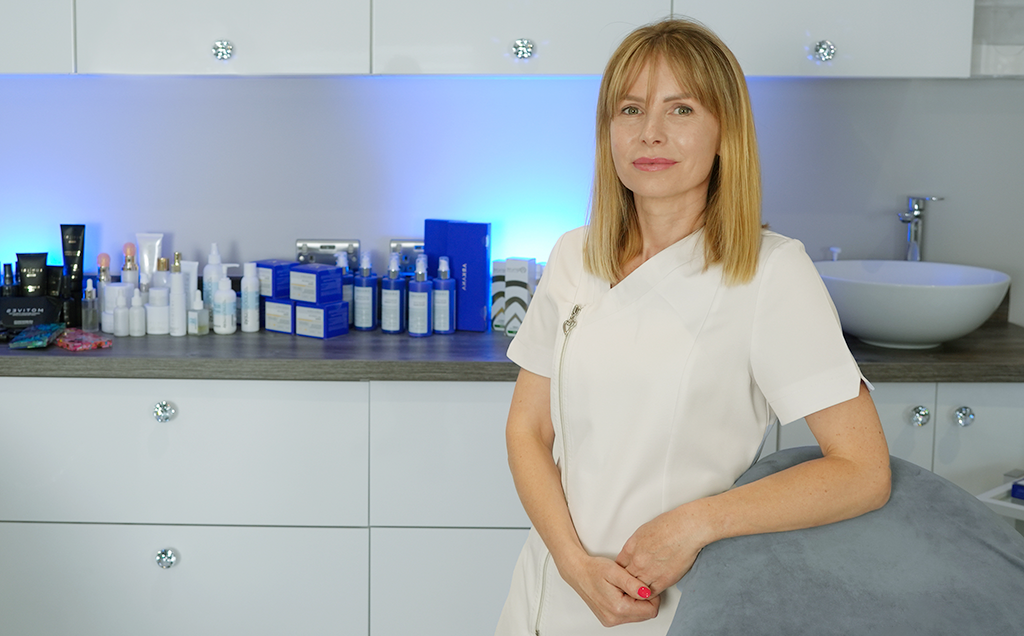
Professional consultation
Treatment compatibility is uppermost and I always undertake a professional consultation before undertaking Aesthetic treatments.
Please contact me on 07507 420244 to discuss any of my treatments and arrange an initial consultation.
