
Treatment Guide
Nail Fungus (Onychomycosis) Laser Treatment
What Is Laser Treatment for Nail Fungus?
Laser treatment for nail fungus (onychomycosis) uses the Fotona SP Dynamis laser system — particularly its Nd:YAG laser, sometimes combined with the ablative Er:YAG laser — as a non-invasive alternative or complement to oral and topical antifungal treatments. It’s a genuine option worth discussing at consultation, particularly for clients who’ve found oral antifungal medication unsuitable, want to avoid its potential side effects, or are looking for an additional approach alongside their existing treatment.
Confirming the Diagnosis First
Before any treatment begins, we assess the affected nail(s) to confirm this is genuinely a fungal infection and discuss what to realistically expect from treatment. This matters more than it might seem — several other nail conditions (including nail psoriasis and trauma-related nail changes) can look similar to fungal infection but don’t respond to antifungal laser treatment at all, so getting this right first is essential. Where there’s any doubt, a sample may need to be sent for laboratory confirmation (mycology testing) before proceeding.
The Procedure: Nd:YAG and Er:YAG Laser
The affected nail is cleaned thoroughly before treatment. Most clients tolerate the procedure well without anaesthetic, though this can be discussed if needed.
- Nd:YAG laser (1064nm) penetrates deeply into the nail and surrounding tissue, generating heat that targets fungal organisms within the nail bed and matrix without damaging the nail itself.
- Er:YAG laser (2940nm), where used alongside Nd:YAG, ablates the superficial layers of the nail and surrounding skin, helping remove debris and biofilm associated with the infection — this combination allows for more thorough treatment of both the surface and deeper layers.
What the Research Actually Shows
We think it’s important to be upfront about this, rather than overselling a treatment that — like most nail fungus treatments, laser or otherwise — has real, documented limitations. Published research on Nd:YAG laser treatment for onychomycosis is genuinely mixed: a meta-analysis found an overall mycological cure rate of around 63% for long-pulsed 1064nm Nd:YAG, but individual studies vary considerably — some report cure rates as low as 13%, others as high as 67%, and several well-designed randomised controlled trials found no statistically significant difference compared with sham (placebo) treatment. It’s also worth knowing that laser devices cleared by the FDA for this use are specifically cleared for a “temporary increase in clear nail,” not for curing the fungal infection outright — a genuinely important distinction. What does the evidence support more consistently? Combination approaches — laser alongside a topical antifungal — have shown better, more durable results in several studies than either approach used alone, which is why we’re often happy to discuss laser as part of a combined plan with your GP-prescribed or over-the-counter antifungal treatment, rather than positioning it as a guaranteed standalone cure.
Treatment Plan
Treatment protocols vary depending on laser settings and the severity of infection — some published protocols use sessions spaced roughly four weeks apart, while others use a more intensive weekly schedule over the first stage of treatment. We’ll agree the right protocol and number of sessions for your specific nail(s) at consultation, and be clear with you about what a realistic outcome looks like based on your infection’s severity.
Aftercare
Keep the treated area clean and dry, and avoid nail polish or other nail products until the nail has properly healed use only the topical antifungal lotion from as . As nails grow slowly, it takes time to see the healthy nail grow through – follow-up appointments help us monitor progress and assess how the new nail growth looks.
Nail Fungus Treatment FAQs
We can’t honestly promise that – published research shows genuinely mixed results, with cure rates varying widely between studies, and FDA clearance for these devices is specifically for a temporary increase in clear nail rather than a guaranteed cure. What we can offer is a properly assessed, realistic treatment plan, and we’re happy to discuss combining laser with topical antifungal treatment, since the evidence for combination approaches is generally stronger than laser alone.
Most clients tolerate the procedure well, with minimal to moderate discomfort reported during treatment; anaesthetic isn’t usually necessary.
This depends on the severity of your infection and the specific protocol used – we’ll agree this with you at consultation rather than promise a fixed number upfront.
We assess the nail properly before treatment, since other conditions (like nail psoriasis or trauma) can look similar but won’t respond to antifungal laser treatment. Where there’s doubt, lab testing may be recommended first.
Little to none for most cases, though this can vary depending on the size and severity of the area treated.
Yes – and the evidence for combination approaches (laser plus topical antifungal) is generally more encouraging than laser alone, so this is worth discussing at consultation.
Laser treatment for onychomycosis has been studied in numerous clinical trials, with genuinely mixed findings that are worth being transparent about. A meta-analysis found an overall mycological cure rate of approximately 63% for long-pulsed 1064nm Nd:YAG laser treatment, though individual study results vary considerably — a case series of 30 patients found a 12-month cure rate of 66.67%, while a separate prospective study found mycological cure in only 12.9% of patients at 3 months. Several randomised controlled trials, including a double-blind trial comparing Nd:YAG laser against sham treatment, found no statistically significant difference in complete cure rates between the two groups. More encouragingly, combination approaches have shown stronger results: a randomised trial of 128 patients found Nd:YAG laser combined with topical amorolfine lacquer was more effective than the topical treatment alone, and a separate 12-month study found combining Nd:YAG laser with topical nitric acid produced better clinical and mycological outcomes, with lower relapse rates, than either treatment alone.
Sources: – Evaluation of Nd:YAG laser device efficacy on onychomycosis: a case series of 30 patients (PubMed): https://pubmed.ncbi.nlm.nih.gov/26537779/ – Nd:YAG 1064 nm laser treatment for onychomycosis – is it really effective? A prospective assessment (PubMed): https://pubmed.ncbi.nlm.nih.gov/37864392/ – Effect of the 1064 nm Nd:YAG Laser on the MICs of Antifungals Used in Clinical Practice for the Treatment of Fungal Nail Infections (PMC) — cites meta-analysis mycological cure rate: https://pmc.ncbi.nlm.nih.gov/articles/PMC10658113/ – Randomized Clinical Trial to Evaluate the Efficacy and Safety of Combination Therapy with Short-Pulsed 1,064-nm Nd:YAG Laser and Amorolfine Nail Lacquer for Onychomycosis (PubMed): https://pubmed.ncbi.nlm.nih.gov/29200757/ – Comparative Retrospective Evaluation of 69% Nitric Acid, 1064 nm Nd:YAG Laser, and Their Combination in the Treatment of Onychomycosis over a 12-Month Follow-Up: https://www.ncbi.nlm.nih.gov/pmc/articles/PMC12821549/ – Efficacy of Two-Stage Treatment of Onychomycosis Using a Long-Pulsed Nd:YAG 1064-nm Laser (PMC): https://www.ncbi.nlm.nih.gov/pmc/articles/PMC6601484/ – SURG.00138 Laser Treatment for Onychomycosis (Anthem medical policy, summarises mixed RCT findings including Sabbah 2019 sham-controlled trial): https://www.anthem.com/medpolicies/abcbs/active/mp_pw_c169475.html
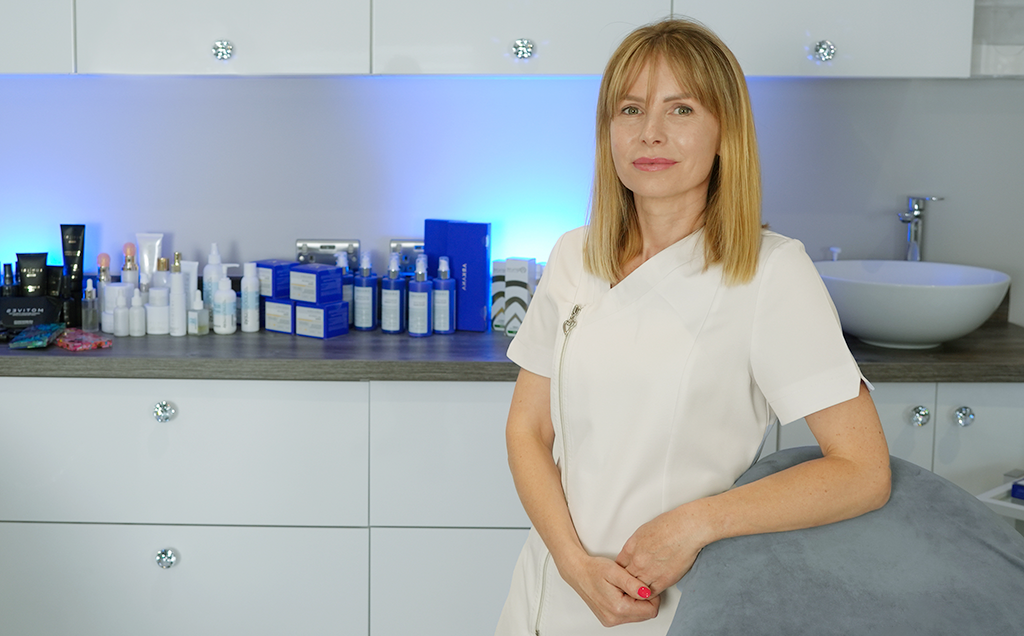
Professional consultation
Treatment compatibility is uppermost and I always undertake a professional consultation before undertaking Aesthetic treatments.
Please contact me on 07507 420244 to discuss any of my treatments and arrange an initial consultation.
