
Treatment Guide
PicoSecond Sun Spots Treatment
What Are Sun Spots?
Sun spots — also known as age spots or solar lentigines — are flat, well-defined patches of pigmentation that develop after years of sun exposure. They’re entirely benign, but many clients want them treated for cosmetic reasons, particularly as they tend to become more numerous and noticeable with age. PicoSecond laser is one of the most effective, well-evidenced technologies available for treating them.
How PicoSecond Treatment Works
PicoSecond laser delivers extremely short pulses — measured in trillionths of a second — that shatter unwanted pigment into tiny fragments your body naturally clears over the following days and weeks. Rather than relying primarily on heat, this photomechanical action targets the pigment itself with real precision, leaving the surrounding skin largely undisturbed. Wavelength is selected specifically for your skin tone and the depth of pigment being treated.
Where Sun Spots Commonly Appear
Sun spots can develop anywhere that’s had significant sun exposure over the years — most commonly the face, hands, chest, shoulders and forearms. PicoSecond treatment can be used effectively across all of these areas, with settings and technique adjusted for the specific skin being treated (skin thickness, sensitivity, and healing speed all vary somewhat by area).
Safe Across Fitzpatrick Skin Types I–VI
This is genuinely well supported across the full Fitzpatrick range. The 1064nm wavelength is generally used for darker skin tones (Fitzpatrick IV–VI), penetrating deeper with a lower risk of unwanted pigment change, while 532nm is typically used for more superficial pigment on lighter skin (Fitzpatrick I–III). Settings are always tailored to your specific skin tone at consultation.
What to Expect: Sessions, Comfort & Aftercare
Most clients describe the sensation as a quick snapping feeling, generally well tolerated without anaesthetic. Treated spots typically darken initially before flaking away naturally over 1–2 weeks. SPF is essential during healing and as an ongoing habit, since treated skin is more vulnerable to further pigmentation while settling — this matters wherever the treated area is, though areas with frequent daily exposure or wear (like hands) may need a little extra care during healing. Most clients need 1–3 sessions depending on the number and depth of spots, spaced around 4 weeks apart.
PicoSecond Sun Spots Treatment FAQs
Ongoing sun exposure can lead to new spots forming over time in any treated area, which is why consistent SPF use afterwards genuinely matters — this treatment clears existing spots effectively, but ongoing sun protection is what helps keep results looking their best long-term.
Yes – face, hands, chest, shoulders and forearms are all commonly treated areas, with technique and settings adjusted for the specific skin being treated at consultation.
Yes – settings and wavelength are tailored specifically to your skin tone, with research supporting safe, effective treatment across the full Fitzpatrick range.
Most clients need 1–3 sessions depending on the number and depth of spots, spaced around 4 weeks apart.
Minimal – spots darken and flake away naturally over 1–2 weeks, with normal activities resumed immediately.
PicoSecond laser treatment for sun spots (solar lentigines) is well supported across multiple treatment areas in the published literature. A prospective study evaluating 532nm picosecond laser treatment of pigmented lesions on both the face and dorsal hands found meaningful improvement across a course of three monthly treatments, with both investigator and patient-rated pigmentation scores improving at one- and three-month follow-up. Dedicated clinical trial research has also specifically evaluated picosecond and long-pulsed laser systems for lentigines on the hands, assessing lesion reduction, skin texture and patient satisfaction. Separate research on solar lentigines in darker skin types found 90% of patients achieved moderate to significant improvement with a dual-wavelength picosecond device. A comprehensive systematic review of picosecond laser in dermatology found strong evidence (Level I–IV) supporting its use for benign pigmented lesions generally, across treatment areas.
Sources: – Friedmann DP, et al. (2022), Prospective Study of 532-nm Picosecond Laser for the Treatment of Pigmented Lesions of the Face and Dorsal Hands, Dermatologic Surgery — summarised via Physician’s Weekly: https://www.physiciansweekly.com/post/532-nm-picosecond-laser-to-treat-facial-and-hands-pigmented-lesions – A Single-Center 2-Arm Study for Lentigines on the Hands, ClinicalTrials.gov (NCT02763072): https://cdn.clinicaltrials.gov/large-docs/72/NCT02763072/Prot_SAP_000.pdf – Laser Removal of Age (Sun) Spots on Hands, ClinicalTrials.gov (NCT01885871): https://clinicaltrials.gov/study/NCT01885871 – Picosecond Laser For Removal of Solar Lentigines in Darker Skin Types, MedEsthetics: https://www.medestheticsmag.com/news/article/21148575/picosecond-laser-for-removal-of-solar-lentigines-in-darker-skin-types – Wu DC, Fletcher L, Guiha I, Fabi S. (2021), A Systematic Review of Picosecond Laser in Dermatology: Evidence and Recommendations (PubMed): https://pubmed.ncbi.nlm.nih.gov/32282094/
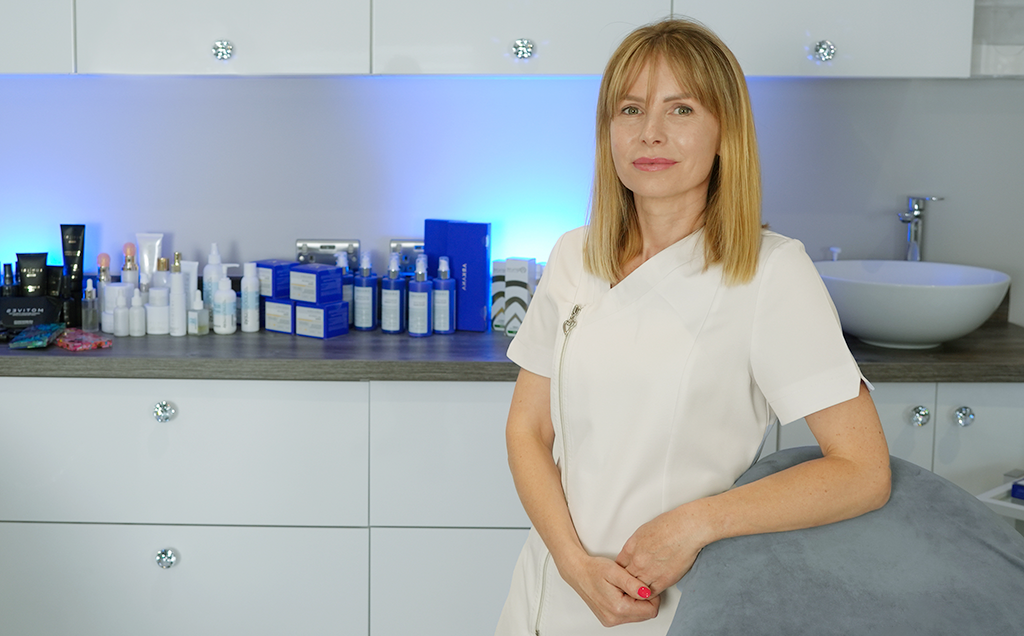
Professional consultation
Treatment compatibility is uppermost and I always undertake a professional consultation before undertaking Aesthetic treatments.
Please contact me on 07507 420244 to discuss any of my treatments and arrange an initial consultation.
