
Treatment Guide
Skin Peel Therapy Facial
What Is a Skin Peel?
Skin peels are non-invasive skin rejuvenation treatments that can be used on the face, hands and neck to make skin look and feel genuinely revitalised. Acid-based solutions are applied to the treatment area, causing the outer layer of skin to gently exfoliate and eventually peel away — revealing new skin beneath that’s typically smoother, more even in tone, and less visibly damaged than before.
How Skin Peels Work
Different acids are used depending on your skin’s specific needs and how deep the treatment needs to reach. Trichloroacetic (TCA), glycolic, salicylic and mandelic acids are among the most established and well-studied options, each working slightly differently on the skin’s surface and deeper layers to accelerate cell turnover, break down damaged tissue, and stimulate the skin’s own renewal process.
The Acids We Use, and What They’re Best For
- Glycolic acid — a water-soluble alpha-hydroxy acid (AHA) and one of the most extensively studied peeling agents, genuinely effective for photoageing, post-inflammatory hyperpigmentation, mild acne and overall texture improvement.
- Salicylic acid — a lipid-soluble beta-hydroxy acid, particularly well suited to oilier, acne-prone skin since it penetrates into the pore itself; safe across all skin tones and effective for comedonal (non-inflammatory) acne specifically.
- Mandelic acid — a larger, slower-penetrating molecule that makes it gentler and better tolerated on more sensitive or deeper skin tones, while still being genuinely effective for inflammatory acne and post-acne pigmentation.
- Trichloroacetic acid (TCA) — used at varying strengths depending on the depth of treatment needed; higher concentrations reach deeper into the skin for more significant concerns, though this comes with a longer recovery and a real need for correct, careful application.
- Retinol / Vitamin A peel — a genuinely versatile option, well suited to signs of ageing, acne, hyperpigmentation and melasma, and studied specifically as effective and well-tolerated across a range of skin tones, including deeper skin types. Retinol peels work by accelerating cell turnover and stimulating collagen production, typically with gentler, more manageable downtime than a comparable-strength TCA peel — often delivered as a short course spaced several weeks apart.
Combination peels — such as salicylic-mandelic acid together, or TCA layered with glycolic or lactic acid — are increasingly well supported in research as more effective than a single acid alone for certain concerns, particularly active acne with post-acne pigmentation.
Choosing the Right Depth: Light, Medium & Deep
- Light/Superficial peels treat only the outermost layer of skin, with minimal downtime — ideal for general radiance, mild texture concerns, and as a maintenance treatment between more intensive sessions.
- Medium peels reach deeper into the skin, genuinely effective for reducing acne scarring and more established wrinkles, with a longer but still manageable recovery.
- Deep peels treat the most significant sun damage and skin concerns, with the longest recovery time (typically 2–3 weeks). We’re honest that deep peels are a bigger commitment and carry a different risk profile to lighter treatments — proper assessment, and in some cases medical clearance, matters more here than for any other depth, and this is discussed thoroughly at consultation before any deep peel is agreed.
Following your consultation, we’ll advise the most suitable acid and depth for your individual skin and goals — this isn’t a one-size-fits-all treatment, and the right choice depends entirely on what you’re trying to address.
What to Expect: Preparation, Sessions & Aftercare
Before your peel: avoid retinoids, exfoliating acids and other active skincare for several days beforehand, and avoid sun exposure or tanning in the lead-up, since sun-exposed skin is harder and less safe to treat.
During treatment: the acid solution is carefully applied to the treatment area; sensation varies by acid and depth, from a mild tingling with lighter peels to a more noticeable warming or stinging sensation with medium and deep peels.
After treatment: expect redness, tightness, and visible peeling or flaking over the following days — this is a normal, expected part of the process, not a complication. SPF is essential during healing and as an ongoing habit, since freshly peeled skin is more vulnerable to sun damage and pigmentation changes.
Skin Peel FAQs
This depends on your specific concern — glycolic acid suits general photoageing and texture, salicylic acid suits oilier acne-prone skin, mandelic acid is often better tolerated on more sensitive or deeper skin tones, and retinol peels are a genuinely versatile option for ageing, acne, hyperpigmentation and melasma across a range of skin tones. We’ll recommend the right choice at consultation rather than apply the same peel to everyone.
No – a professional retinol peel uses a significantly higher, physician-strength concentration than anything available over the counter, delivering more noticeable results in a course of treatments rather than gradual improvement over months of home use.
It’s about how deep the acid penetrates and how much downtime you can expect — light peels have minimal downtime and treat surface concerns, medium peels reach deeper for scarring and established wrinkles, and deep peels address the most significant damage with the longest recovery (2–3 weeks).
This varies by concern and peel type — many peels (particularly lighter ones) are done as a course spaced a few weeks apart, while deeper peels may be a single, more significant treatment. We’ll agree your plan at consultation.
Not necessarily — deep peels are reserved for more significant concerns and involve a genuinely longer recovery and a different risk profile to lighter peels. We’ll talk this through honestly at consultation, including whether a course of medium peels might achieve your goals with less downtime.
Yes – certain peels, particularly TCA and combination peels, have genuine published evidence for improving acne scarring and post-acne pigmentation, discussed as part of your personalised plan.
Chemical peeling using these acids is genuinely well studied. A comparative trial found that both 35% glycolic acid and 20% salicylic-10% mandelic acid combination peels were effective and safe for active acne and post-acne hyperpigmentation, with the salicylic-mandelic combination performing better for active acne specifically. A separate systematic review of chemical peels for acne and acne scarring, covering ten prospective clinical trials, concluded that glycolic acid, salicylic-mandelic acid, Jessner’s solution, lactic acid and TCA peels all demonstrated varying degrees of success in reducing active acne, post-inflammatory hyperpigmentation and superficial scarring, with combination and higher-concentration peels showing particular promise for deeper scarring. Research into TCA specifically has shown it significantly inhibits melanin production and supports collagen repair in photo-damaged skin, validated through laboratory testing on human skin samples. For retinol peels, a clinical study of a 3% physician-strength retinol peel found genuine improvement in signs of ageing, acne, hyperpigmentation and melasma across a range of skin types including skin of colour, over a course of 2–4 sessions. Separate research comparing retinoid formulations found that while retinoic acid produces faster results, retinal (a gentler vitamin A derivative) offers comparably strong improvement with better tolerability and fewer side effects.
Sources: – Garg VK, Sinha S, Sarkar R. (2009), Glycolic Acid Peels Versus Salicylic-Mandelic Acid Peels in Active Acne Vulgaris and Post-Acne Scarring and Hyperpigmentation: A Comparative Study, Dermatologic Surgery (PubMed): https://pubmed.ncbi.nlm.nih.gov/19076192/ – A systematic review of the efficacy of chemical peeling in active acne and acne scars, Pakistan Journal of Medical and Surgical Aesthetics: https://www.pjmsa.com/index.php/pjmsa/article/view/25 – Glycolic acid peel therapy – a current review (PMC): https://pmc.ncbi.nlm.nih.gov/articles/PMC3875240/ – Professional-Grade TCA-Lactic Acid Chemical Peel: Elucidating Mode of Action to Treat Photoaging and Hyperpigmentation, Frontiers in Medicine (PMC): https://www.ncbi.nlm.nih.gov/pmc/articles/PMC7928281/ – Evaluating the Efficacy and Safety of Organic Acids in Chemical Peels for Acne, Dermatology Times: https://www.dermatologytimes.com/view/evaluating-the-efficacy-and-safety-of-organic-acids-in-chemical-peels-for-acne – An Advanced, Physician-Strength Retinol Peel Improves Signs of Aging and Acne Across a Range of Skin Types Including Melasma and Skin of Color, Journal of Drugs in Dermatology: https://jddonline.com/articles/an-advanced-physician-strength-retinol-peel-improves-signs-of-aging-and-acne-across-a-range-of-skin-S1545961619P0918X/ – The Effectiveness of a 5% Retinoic Acid Peel Combined with Microdermabrasion for Facial Photoaging: A Randomized, Double-Blind, Placebo-Controlled Clinical Trial (PMC): https://www.ncbi.nlm.nih.gov/pmc/articles/PMC5331278/ – Retinol, retinal and retinoic: making sense of skincare with vitamin A derivatives, International Journal of Research in Dermatology: https://www.ijord.com/index.php/ijord/article/view/2094
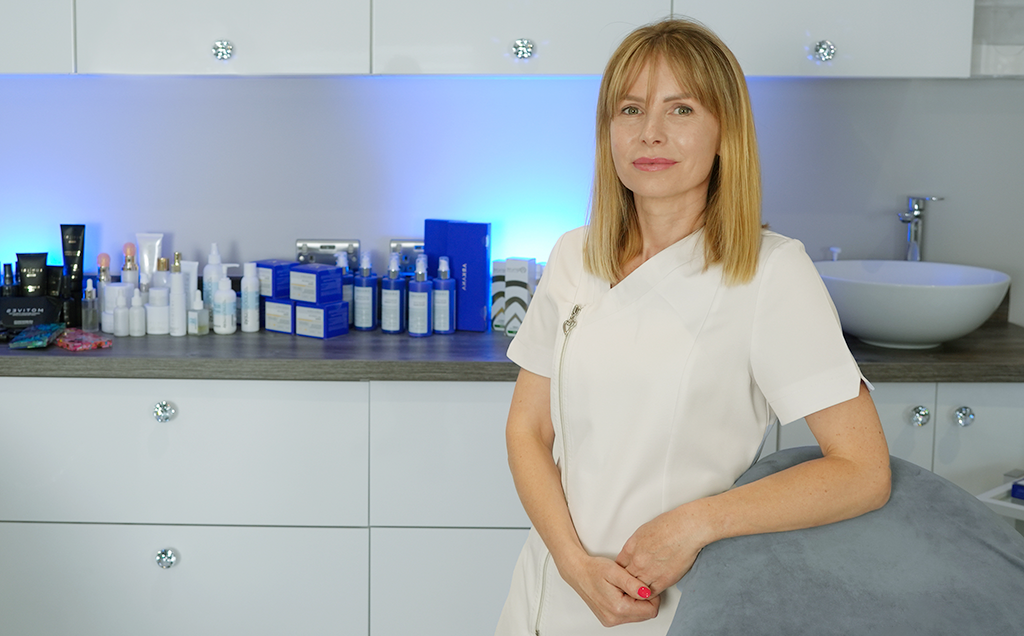
Professional consultation
Treatment compatibility is uppermost and I always undertake a professional consultation before undertaking Aesthetic treatments.
Please contact me on 07507 420244 to discuss any of my treatments and arrange an initial consultation.
