
Treatment Guide
The Clarity Protocol® – Picosecond Pigmentation & Skin Rejuvenation
A genuinely well-evidenced combination – PicoSecond pigmentation treatment paired with Fotona’s PIANO and FRAC3 modes, addressing three different layers of concern (pigment, deep firmness, fractional collagen stimulation) in one considered protocol.
What Is This Combination Treatment?
This treatment combines PicoSecond laser — one of the most effective technologies available for pigmentation and general skin rejuvenation — with Fotona’s FRAC3® and PIANO® modes, addressing pigment, texture and deeper firmness together rather than treating each concern separately. PicoSecond’s ultra-short pulses target and break down unwanted pigment with genuine precision; FRAC3 stimulates fractional collagen renewal at a deeper level; PIANO adds bulk heating for overall firmness. Together, this gives a genuinely comprehensive approach to tired, pigmented, or ageing-affected skin in one session.
Step 1: Picosecond Laser for Pigmentation & Rejuvenation
PicoSecond technology delivers extremely short laser pulses — measured in trillionths of a second — that shatter unwanted pigment into tiny fragments your body naturally clears, while also creating a photomechanical (rather than purely heat-based) effect in the surrounding tissue that stimulates genuine skin rejuvenation. When fitted with a fractionated handpiece, PicoSecond treatment addresses pigmented lesions such as sun spots, freckles and age spots, alongside broader signs of photoageing — fine lines, uneven texture, and enlarged pores — in the same session.
Step 2: Fotona FRAC3® (Fractional Collagen Stimulation)
FRAC3 uses fractional Nd:YAG pulses to target deeper imperfections — fine lines, uneven texture, and residual pigment irregularities — stimulating new collagen production beneath the surface. Delivered after the PicoSecond step, this builds on the pigment-clearing work already done, adding a genuine structural renewal element.
Step 3: Fotona PIANO® (Deep Firmness)
PIANO mode finishes the protocol with safe, controlled bulk heating of the deeper dermis, adding an overall firming and tightening effect that complements the pigment and texture work of the earlier steps — addressing skin quality at a level neither PicoSecond nor FRAC3 alone reach.
What This Combination Can Treat
- Sun spots, freckles, and age spots (solar lentigines)
- Melasma and post-inflammatory hyperpigmentation
- General photoageing — fine lines, texture, enlarged pores
- Overall skin firmness and tone
Who Is It Suitable For?
This combination is genuinely well suited to clients with visible sun damage, pigmentation concerns, and early-to-moderate signs of ageing who want more than one concern addressed in a single, considered treatment plan. Pigment type and depth, and your skin tone, all affect the exact settings used — this is properly assessed and tailored at consultation rather than applied uniformly to every client.
Safe Across Fitzpatrick Skin Types I–VI
This is genuinely one of this treatment’s strengths, and worth being specific about. PicoSecond technology is supported by published research across the full Fitzpatrick scale (skin types I–VI), with wavelength selection tailored to skin tone — the 1064nm wavelength penetrates deeper and is generally favoured for darker skin tones (Fitzpatrick IV–VI) since it carries a lower risk of unwanted pigment changes, while 532nm is typically used for more superficial pigment on lighter skin tones (Fitzpatrick I–III). Several of the studies behind this treatment were specifically conducted on Fitzpatrick III–V skin, finding not just effective pigment clearance but a genuinely reduced risk of post-inflammatory hyperpigmentation compared with older laser technologies — an important, real safety advantage for clients with more melanin-rich skin, who are often more cautious (rightly) about laser treatment. Fotona’s PIANO and FRAC3 modes are similarly validated across a broad range of skin types, since their heating and fractional mechanisms don’t rely on targeting melanin the way pigment-clearing wavelengths do. Your exact settings are always tailored to your specific Fitzpatrick type at consultation, not applied generically.
What to Expect: Sessions, Comfort & Aftercare
Most clients tolerate the combination well, with the PicoSecond step felt as a quick snapping sensation and the Fotona steps felt as warmth. Treated pigment typically darkens initially before flaking away over 1–2 weeks — this is a normal, expected part of the clearing process, not a complication. SPF is essential during healing and as an ongoing habit, since treated skin is more vulnerable to further pigmentation while settling. A course of sessions, spaced around 4 weeks apart, is typically recommended for the best overall result.
The Clarity Protocol® FAQs
New sun exposure and skin ageing can lead to new pigment forming over time, which is why consistent SPF use afterwards genuinely matters – this treatment clears existing pigment effectively, but ongoing sun protection is what helps keep results looking their best long-term.
Yes – this treatment is supported by research across the full Fitzpatrick range (I-VI), with wavelength and settings tailored specifically to your skin tone. For darker skin, the 1064nm PicoSecond wavelength is generally used, since studies show a genuinely lower risk of post-inflammatory hyperpigmentation with fractionated technique compared with older laser technologies.
Adding FRAC3 and PIANO means you’re also addressing deeper collagen renewal and overall firmness in the same session, rather than pigment clearance alone — a genuinely more complete approach for clients wanting both pigment and skin quality improvement.
This depends on the type and depth of pigmentation and your skin’s response — often 2–4 sessions for pigmented lesions, spaced around 4 weeks apart, discussed and tailored at consultation.
Minimal – treated pigment darkens and flakes away naturally over 1–2 weeks, with normal activities resumed the same day.
A comprehensive systematic review of picosecond laser use in dermatology found strong evidence supporting its use for benign pigmented lesions (Level I–IV evidence), skin rejuvenation (Level II evidence), and melasma (Level II evidence). A study of fractional 1064nm picosecond laser for facial skin rejuvenation found statistically significant reductions in wrinkles, spots and texture irregularities from the first month of treatment, sustained through three months, with adverse effects generally mild and transient. For pigmented lesions specifically, a randomised comparative study found a fractional pigment toning technique using a 532nm picosecond laser achieved comparable pigment clearance to conventional technique while significantly reducing the risk of post-inflammatory hyperpigmentation — genuinely important for clients with darker skin tones. For melasma, a study using a fractionated 1064nm picosecond laser found meaningful improvement over a course of monthly treatments, and a separate randomised trial found picosecond laser produced comparable or superior results to topical hydroquinone. Research on solar lentigines specifically found 90% of patients achieved moderate to significant improvement with a dual-wavelength picosecond device.
Sources: – Wu DC, Fletcher L, Guiha I, Fabi S. (2021), A Systematic Review of Picosecond Laser in Dermatology: Evidence and Recommendations (PubMed): https://pubmed.ncbi.nlm.nih.gov/32282094/ – Le TVT, et al. (2025), Fractional 1064 nm Nd:YAG picosecond laser for Asian skin rejuvenation: clinical efficacy and the role of photoprotective behaviours (PMC): https://www.ncbi.nlm.nih.gov/pmc/articles/PMC12014787/ – Exploring Fractional Pigment Toning: A Novel Approach for Treating Benign Pigmented Lesions in Asian Patients With Fitzpatrick Skin Types III-V (PubMed): https://pubmed.ncbi.nlm.nih.gov/39075754/ – Bernstein EF, et al. (2023), Melasma treatment with a 1064 nm, picosecond-domain laser with a fractionated multibeam lens array, Lasers in Surgery and Medicine: https://onlinelibrary.wiley.com/doi/full/10.1002/lsm.23723 – Picosecond Laser For Removal of Solar Lentigines in Darker Skin Types, MedEsthetics: https://www.medestheticsmag.com/news/article/21148575/picosecond-laser-for-removal-of-solar-lentigines-in-darker-skin-types – An update on fractional picosecond laser treatment: histology and clinical applications, Lasers in Medical Science: https://link.springer.com/article/10.1007/s10103-022-03704-y – Treatment Guidelines for the PicoWay® Laser System in Skin of Color — wavelength selection guidance across Fitzpatrick I-VI: https://practicaldermatology.com/topics/general-topics/treatment-guidelines-for-the-picoway-laser-system-in-skin-of-color/22087/ – Fotona 4D Treatment: A Complete Safety Guide for All Skin Types — clinical validation and safety of PIANO/FRAC3 across Fitzpatrick skin types: https://ensantemed.com/fotona-4d-treatment-a-complete-safety-guide-for-all-skin-types/
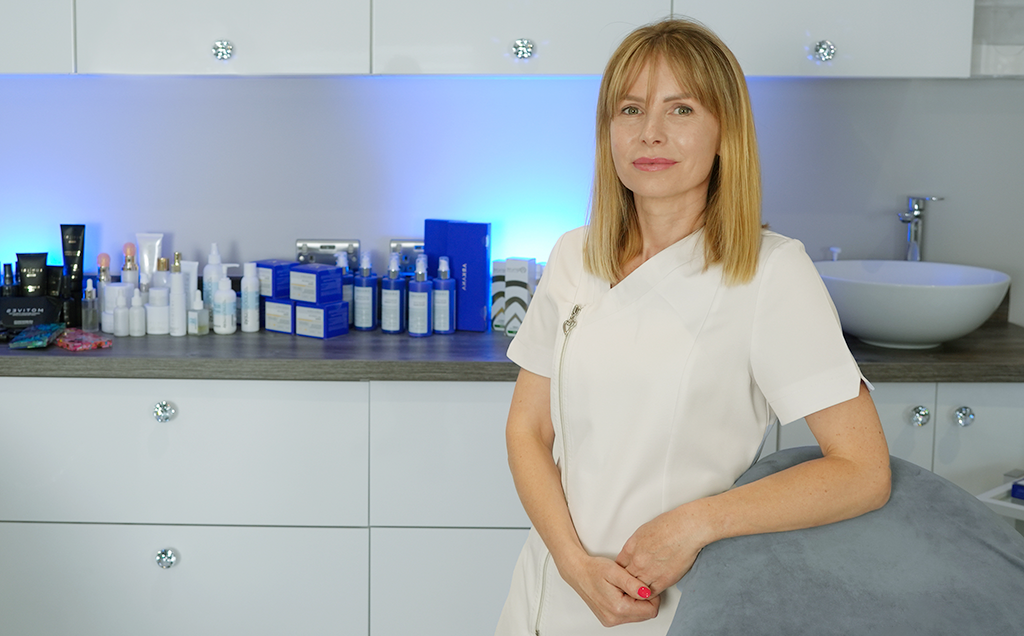
Professional consultation
Treatment compatibility is uppermost and I always undertake a professional consultation before undertaking Aesthetic treatments.
Please contact me on 07507 420244 to discuss any of my treatments and arrange an initial consultation.
